aime
This week
10 Sep 2026
“Parent communication is the part of the job that gets no planning time and carries more emotional weight than almost anything else in the week.”
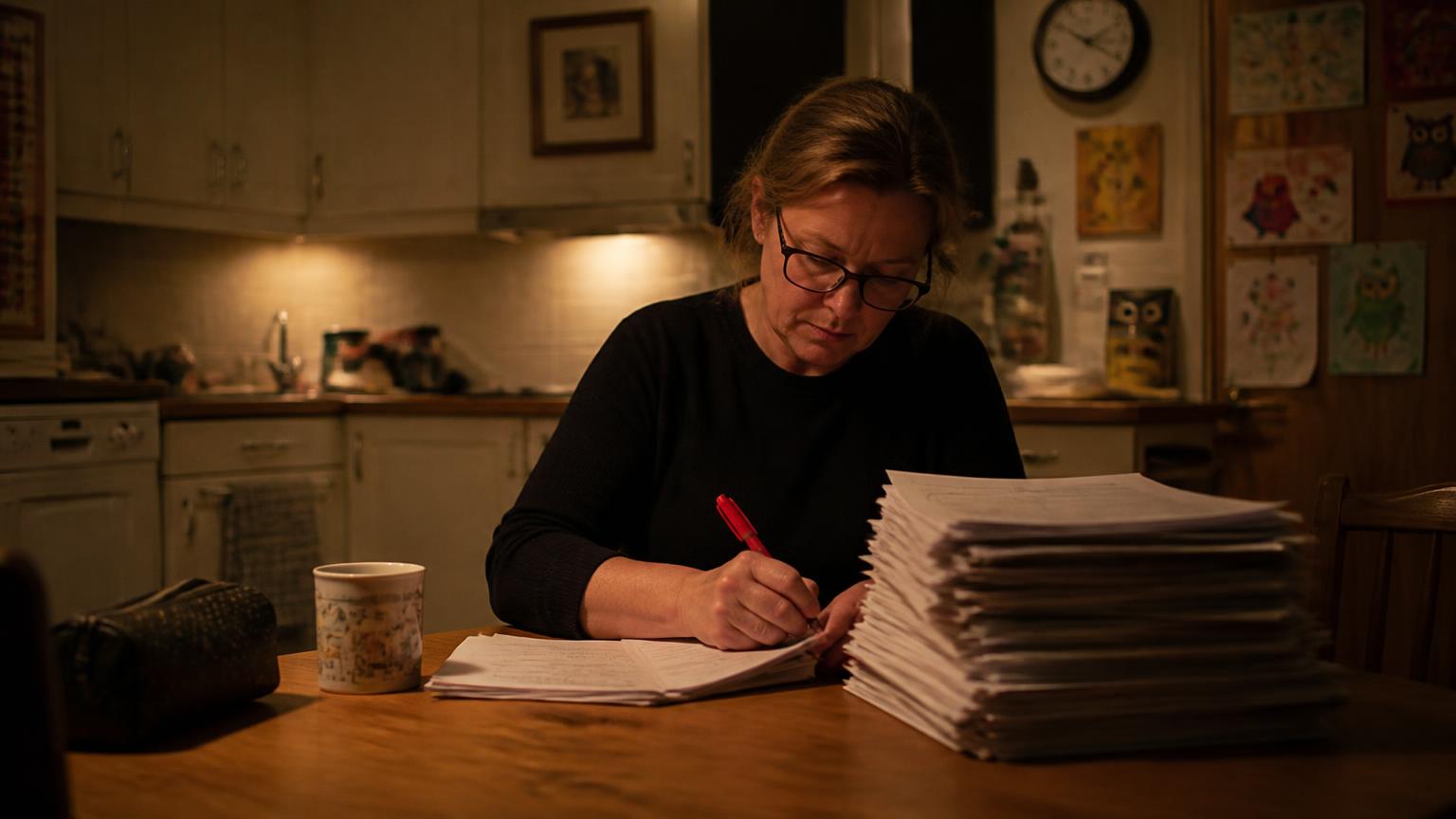
A teacher's timetable accounts for lessons. Their directed time accounts for meetings and duties. Nothing anywhere accounts for the message from a parent that arrives at nine in the evening, is two paragraphs long, contains one sentence that is unfair, and will occupy the teacher's mind until it is answered. That exchange is unbudgeted. It happens in the gaps, and the gaps are the teacher's own evening. The cost is not the typing. Most replies to most parents are short and straightforward. The cost is the small number that are not: the ones where the parent is angry, or frightened for their child, or has misread a situation, or is right and the teacher knows it. Those take fifteen minutes to write and two hours to stop thinking about. And they arrive without warning, at the end of a day that had already used up whatever composure was available. What makes it harder is that teachers are largely unsupported in this specific skill. Most received no training in difficult written communication with adults. There is rarely a shared house style, seldom a colleague reading a draft before it is sent, almost never a norm that says a reply can wait until tomorrow morning. So a teacher who has spent the day being extremely skilled with children is asked, alone and tired, to be extremely skilled with an adult who is upset with them. Two things reliably help, and neither is technology. The first is a delay: almost no parent message needs answering the same evening, and the version written the next morning is nearly always better, shorter, and less defended. The second is structure: acknowledge what they have raised, state plainly what happened, say what you will do, offer a conversation. Most difficult messages are asking to be heard rather than argued with, and a reply built on that structure is both faster to write and more likely to end the exchange rather than extend it. Where a tool can help is narrower than the marketing usually suggests. It cannot know the child, the history, or what the parent is really worried about, and it should not be trusted with the judgement about what to say. What it can do is absorb the drafting cost of the routine ninety per cent — the reply about the missing homework, the note about next week's trip, the same explanation of the same policy written for the eleventh time — so that the teacher's remaining energy is available for the small number of messages that genuinely need them. The test I would apply is a simple audit. Look at the last ten messages you sent to parents and ask how many required you specifically — your knowledge of that child, your judgement, your relationship with that family. Whatever that number is, the rest were a cost the job imposed on your evening for no return. That is the part worth removing, and the remainder is the part worth protecting. — the aime team